Skip to content
About 10% of adults will experience a kidney stone in their lifetime. So it doesn’t surprise me that patients scour the internet, searching: how to pass a kidney stone in 24 hours or how to pass kidney stones immediately. Passing a kidney stone at home is possible, but we’ll also help you to understand which kidney stone symptoms mean you need to see your urologist. We’ll also prepare you for the kidney stone treatment options should you develop a large stone. In our latest 2026 urological review of our Kidney Stone Guide, we have updated it with new clinical data, references, and a video on how common kidneys stones can be at our practice in Beverly Hills, Los Angeles. Come visit us at Comprehensive Urology if you have any of the following symptoms.
Table of contents
- Medically Reviewed
- Passing Kidney Stones
- Kidney Stone Symptoms
- Kidney Stone Treatments
- Kidney Stone Medications
- When to See a Urologist for Kidney Stones
- Importance of Hydration
- Diet and Uric Acid Kidney Stones: How Nutrition Helps You Pass a Kidney Stone Faster
- Foods to Avoid if You Have Uric Acid Kidney Stones
- Control Animal Protein and Fat Intake
- Eat More Citrate‑Rich Foods to Prevent Stone Growth
- Hydration: The Most Important Step to Passing a Kidney Stone
- Weight Loss and Uric Acid Stones: Why Slow Is Better
- FAQs About Diet and Uric Acid Kidney Stones
- Physical Activity While Passing a Kidney Stone
- Different Types of Kidney Stones
- Types of Kidney Stones Chart
- Kidney Stone Test
- Importance of Kidney Stone Testing
- Diagnosing Different Types of Kidney Stones
- UTIs and Kidney Stones
- How to Prevent Kidney Stones
- Frequently Asked Questions
- What are some practical ways to pass a kidney stone quickly?
- What are some natural remedies for kidney stones?
- How can I relieve the pain of passing a kidney stone?
- What are some common symptoms of passing a kidney stone?
- What is the best position to be in when passing a kidney stone?
- Can lemon juice help dissolve kidney stones?
- What are the different types of kidney stones?
- How can one prevent the formation of kidney stones?
- Which symptoms indicate the presence of a kidney stone?
- What dietary factors contribute to the development of kidney stones?
- What is the most effective method for kidney stone removal?
- How do the various types of kidney stones affect treatment options?
Medically Reviewed
Written by: Kia Michel, MD, Board-Certified Urologist, Urological Surgeon, & Sexual Health Specialist
Reviewed by: Robert Sanford, MD, Board-Certified Urologist, Urological Surgeon, & Sexual Health Specialist
Last Reviewed: February 27, 2026 at 6:30pm AST. How We Review Medical Content: Dr. Michel reviews all references for accuracy and clinical relevance and Dr. Robert Sanford peer-reviews the data to ensure the most up to date information. Disclaimer: This video and supporting text is for informational purposes only and does not constitute medical advice, diagnosis, or treatment. Please contact a licensed physician in reference to your specific case.

Written by Dr. Kia Michel, a board-certified urologist, surgeon, and founding member of Comprehensive Urology in Beverly Hills, Los Angeles. Dr. Michel’s expertise includes focal therapy (HIFU/TULSA), prostate cancer treatment, robotic surgery, and male enhancement treatments such as Shockwave Therapy for ED and penile injections.
Passing Kidney Stones
Passing kidney stones can be one of the most unpleasant experiences of your life. One in 10 Americans will face this challenge which is often accompanied by symptoms such as severe back or abdominal pain, blood in the urine, nausea, and frequent urination. Passing a kidney stone fast requires staying well-hydrated by increasing your fluid intake to flush out the stones.
Pain management for kidney stones is also crucial and usually starts with over-the-counter pain relievers, but can also involve prescription medications. In some cases, medical intervention such as alpha-blockers may be prescribed to relax the muscles in the ureter, making it easier for the stones to pass. While most small stones can pass on their own within a few days to weeks, larger stones may require medical procedures to aid in their removal.
Rather than avoiding a urologist, it’s recommended that you confirm that your lower back pain is being caused by kidney stones and not other more serious conditions like kidney cancer. It can also help you know the options if a stubborn stone won’t pass through you in just a day or 2.
What are Kidney Stones?
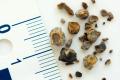
Kidney stones are hard, mineral deposits that form inside the kidneys and can cause severe pain when passing through the urinary tract. The rocks comprise various substances, including calcium, oxalate, and uric acid, all consumed in our diet.
Bladder Stones vs. Kidney Stones
Both bladder stones and kidney stones are made of the same chunks of minerals such as calcium, oxalate, uric acid, and other components. However, kidney stones originate in the kidneys before eventually being urinated out of the body, while bladder stones form in the bladder before being expelled in the urine.
Both bladder stones and kidney stones can be painful and cause blockages that lead to urinary tract infections. However, bladder stones never travel upwards to the kidneys.
Kidney Stone Formation
The top 10 factors for kidney stone formation are:
- Diets rich in salt, animal proteins, and sugar (especially fructose and high fructose corn syrup)
- Dehydration
- Genetics
- Living in Warm Climates where dehydration is more likely
- Lifestyle Habits like over-exercising or not exercising enough
- Obesity
- Certain medical conditions, such as having gout, hyperparathyroidism, chronic diarrhea, IBS
- Excessive use of laxatives
- Some medications for the treatment of Depression and migraines
- Having Gastric Bypass Surgery
Kidney Stone Symptoms
Kidney stones seldom cause symptoms while they remain in the kidney. Unfortunately, this makes it challenging to spot them before they begin to be passed. When they move into the ureter and start to travel to the bladder, you can experience a range of symptoms, including:
- Back pain under the rib cage
- Lower abdominal or groin pain
- Blood in your urine
- Nausea or vomiting
- Urinary frequency or urgency
- Burning with urination
- Intermittent urine stream
You may experience pain in different locations as the stones move through your urinary tract. As soon as you begin to notice any of these signs, we recommend contacting Comprehensive Urology. If you are indeed experiencing a kidney stone, the sooner we address it, the better. If your pain sustains for more than a week or becomes unbearable, it’s time to see your urologists as medications can ease the passage of the stone. Also, if you see blood in your urine or have extreme nausea/vomiting, you need medical attention. You can also have recurrent UTI’s from the blockage of urine. Learn more about how to prevent and help UTIs.
Kidney Stone Treatments
What type of treatment you will receive for kidney stones depends on the size of the kidney stone as well as the type of kidney stone. Effective kidney stone treatments include:
- Prescription medication such as Flomax
- Shock Wave Lithotripsy (ESWL)
- Ureteroscopy
- Laser Stone Ablation
- Surgical Removal
- Drinking plenty of fluids along with diluted apple cider vinegar for small stones
Prevention of kidney stones is key. Lifestyle changes such as increasing water intake and reducing sodium, fructose, and animal protein consumption can help reduce the risk of developing kidney stones. Some studies suggest that consuming a small amount of apple cider vinegar daily can prevent kidney stone formation. Green tea and beans may also help prevent kidney stones.
Let me guide you as to how to pass a kidney stone fast if fluids, Flomax, and pain killers aren’t enough.
Kidney Stone Treatment Without Surgery
Once your urologist determines the underlying cause of your kidney stones, they can create a customized treatment plan based on the size and type of kidney stones. The team may recommend outpatient stentless surgery such as:
Extracorporeal Shock wave therapy (Lithroscopy)
Extracorporeal shock wave therapy (ESWL), also called lithotripsy, is a non-invasive treatment for kidney stone removal that uses high-energy shock waves to break stones into smaller, passable fragments. During the procedure, the patient lies on a specialized table while a machine generates shock waves that are precisely targeted at the kidney stones using imaging guidance. These shock waves travel through the body and disintegrate the stones into tiny pieces, which can then be naturally expelled through the urinary tract. ESWL is typically performed on an outpatient basis under sedation or light anesthesia, and it is most effective for stones smaller than 2 centimeters in diameter. Recovery is generally quick, with most patients resuming normal activities within a few days, though some may experience mild discomfort, bruising, or blood in the urine as the stone fragments pass.
Ureteroscopy
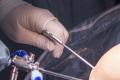
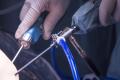
Ureteroscopy is a minimally invasive procedure used to diagnose and treat kidney stones that are located in the ureter or kidney. During the procedure, a small, flexible ureteroscope is inserted through the urethra and bladder, and then advanced up the ureter to the location of the stone. Once the stone is visualized, it can be removed using a small basket device or fragmented into smaller pieces using laser energy, such as with Holmium Laser Lithotripsy. Ureteroscopy is typically performed under general or regional anesthesia and does not require any incisions, making it a less invasive option with a shorter recovery time compared to traditional surgery. Most patients can return to normal activities within a few days, though some may experience mild discomfort, blood in the urine, or a burning sensation when urinating, which generally resolves quickly. Ureteroscopy is highly effective for stones of various sizes and locations and can often be performed on an outpatient basis.
Laser Stone Ablation
Laser Stone Ablation is a minimally invasive procedure used to treat kidney stones by utilizing laser energy to break them into small, passable fragments. During the procedure, a thin, flexible ureteroscope is inserted through the urethra and bladder to reach the ureter or kidney where the stone is located. A laser fiber is then guided through the ureteroscope to deliver precise laser energy, typically from a holmium laser, to fragment the stone into tiny pieces. This method is effective for stones of various sizes and locations and can be performed on an outpatient basis. Recovery time is generally short, with most patients resuming normal activities within a few days. Some may experience mild side effects such as blood in the urine or a burning sensation during urination, which usually subside quickly. Laser Stone Ablation offers high success rates and a reduced risk of complications, making it a preferred option for many patients with kidney stones.
Holmium Laser Lithotripsy
Holmium Laser Lithotripsy is a minimally invasive procedure used to treat kidney stones by breaking them into smaller, passable fragments using a holmium laser. During the procedure, a thin, flexible ureteroscope is inserted through the urethra and bladder to reach the ureter or kidney where the stone is located. The laser fiber is then guided through the ureteroscope to deliver precise laser energy that pulverizes the stone into tiny pieces. This method is highly effective for stones of various sizes and locations and can often be performed as an outpatient procedure. Recovery time is typically short, with most patients resuming normal activities within a few days. Some may experience mild side effects such as blood in the urine or a burning sensation during urination, which usually subside quickly. Holmium Laser Lithotripsy boasts high success rates and a reduced risk of complications compared to traditional surgical methods.
Advantages:
- Minimally invasive, with a shorter recovery time compared to traditional surgery.
- High success rates in breaking down and removing stones.
- Can be used for stones of various sizes and locations.
- Can be performed as a day surgery.
Recovery:
- Most patients can resume normal activities within a few days.
- Some may experience blood in the urine or a burning sensation when urinating, which typically subsides within a few days.
- A stent (a small tube) may be placed in the ureter to help with healing and allow stone fragments to pass more easily.
Kidney Stone Surgery
Percutaneous nephrolithotripsy (PCNL)
Percutaneous nephrolithotripsy, abbreviated as PCNL, is a minimally invasive surgical procedure designed to remove large or complex kidney stones that are not suitable for other treatments. The procedure involves making a small incision in the patient’s back to access the kidney directly. A nephroscope, a specialized instrument, is then inserted through this incision to visualize the stone. Once located, the stone is fragmented using ultrasonic, laser, or pneumatic energy and the pieces are removed. PCNL typically requires general anesthesia and an overnight hospital stay. It is highly effective for stones larger than 2 centimeters, with a high success rate and a relatively quick recovery time, although patients may experience mild discomfort and need to follow specific post-operative care instructions.
Open Surgery for Kidney Stones
A traditional surgical method involving a larger incision to remove very large or complicated kidney stones, typically used when other less invasive methods are not suitable.
Kidney Stone Removal
Fragmented stones that were broken up by medication or extracorporeal shockwave therapy can be removed with a small basket or allowed to pass naturally in the urine.
After determining the type of kidney stones you have, the Comprehensive Urology team can help you prevent future stones with dietary changes, supplements, and medications when necessary.
Kidney Stone Medications
If you are experiencing severe pain or your kidney stone has not passed within 24 hours, medical treatment may be necessary. There are several options available, including over-the-counter medication, prescription medication, and extracoporeal shockwave therapy.
Over-The-Counter Medication
Over-the-counter pain relievers, such as ibuprofen (Advil) or acetaminophen (Tylenol), can help manage pain associated with passing a kidney stone. However, following the recommended dosage and not exceeding the maximum daily limit is essential to avoid potential side effects.
Prescription Medication
If over-the-counter medication is not adequate, your urologist may prescribe stronger pain medication or medication to help relax the ureter muscles and facilitate the passage of the stone. Alpha-blockers, such as tamsulosin (Flomax), are commonly prescribed.
When to See a Urologist for Kidney Stones
If you suspect you have a kidney stone, seeing a urologist as soon as possible is essential. A urologist is a medical specialist trained to diagnose and treat problems related to the urinary tract and male reproductive system. They can help you determine the best course of action for your specific situation.
Some common signs that you may need to see a urologist for kidney stones include:
- Severe pain in your side or back that does not go away
- Blood in your urine
- Difficulty urinating
- Fever and chills
If you experience these symptoms, seeking medical attention immediately is essential. Your urologist can perform a physical exam, review your medical history, and order tests to determine the size and location of your kidney stone.
Find Your Kidney Stone Specialist in Los Angeles
Experiencing kidney stone pain? Comprehensive Urology’s board-certified specialists offer same-week surgical consultation and advanced laser treatment across Los Angeles. Our surgeons bring subspecialty expertise in complex stone cases, minimally invasive techniques, and rapid symptom relief. Discover why thousands of Los Angeles patients trust our team with their stone care.
Beverly Hills
Best Kidney Stone Specialist in Beverly Hills
Our Beverly Hills patients benefit from Dr. Kiarash Michel’s advanced surgical techniques and direct surgeon access—eliminating hospital delays and teaching rounds that slow care delivery.
West Hollywood
Top Kidney Stone Specialist in West Hollywood
Dr. Dino DeConcini brings dual expertise in urologic surgery and infectious disease, offering sophisticated management of complex stone cases and infection-related stones unavailable from general urologists.
Santa Monica
Kidney Stone Specialist for Santa Monica
Santa Monica residents access same-day imaging interpretation and next-week surgical scheduling through our central Los Angeles location, with rapid relief from acute stone obstruction and flank pain.
Century City
Best Kidney Stone Specialist in Century City
Century City professionals choose our practice for operational efficiency and direct surgeon continuity—the same surgeon consults, operates, and manages post-operative care without resident handoffs.
Westwood
Best Westwood Kidney Stone Specialist
Dr. Alex Nourian specializes in complex stone cases, including staghorn calculi and anatomically challenging presentations that general urologists often declare “too complex” for outpatient management.
Brentwood
Top Kidney Stone Specialist in Brentwood
Brentwood patients benefit from Dr. DeConcini’s infectious disease background, enabling sophisticated management of struvite stones, recurrent infections, and post-obstructive complications.
Culver City
Kidney Stone Specialist in Culver City
Dr. Kiarash Michel brings advanced training in laser lithotripsy refinement and flexible ureteroscopy for hard-to-reach stones, expanding treatment options beyond standard approaches.
Hollywood
Best Kidney Stone Specialist in Hollywood
Hollywood professionals appreciate our rapid surgical scheduling and minimal downtime recovery—essential for managing production schedules while resolving urgent stone symptoms.
Greater Los Angeles
Kidney Stone Specialist in Los Angeles
Comprehensive Urology serves all of Los Angeles with same-week consultation, advanced surgical techniques, and direct access to board-certified stone specialists—no hospital delays, no teaching rounds, no resident supervision.
Sometimes, your urologist may recommend that you undergo a procedure to remove the stone. This may include shock wave lithotripsy, ureteroscopy, or percutaneous nephrolithotomy. These procedures are typically done on an outpatient basis and have a high success rate.
Suppose you have a history of kidney stones or are at a higher risk for developing them. In that case, your urologist may also recommend lifestyle changes to help prevent future stones from forming. This may include drinking plenty of water, avoiding certain foods, and taking medication to prevent the formation of new stones.
Let’s review all the factors that can help you pass kidney stones quickly.
Importance of Hydration
If there’s a clog in the hose, you run the water to flush out the clog. The same is true for the tubes that come from your kidneys and bring urine to your bladder. Staying hydrated is crucial because it turns on the hose to flush out the stone that is stuck in your urinary tubes (ureters). Drinking enough fluids helps to flush out the stone and prevent it from getting stuck in the urinary tract, which can lead to severe pain and complications.
You won’t have to drink at least 3 quarts (about ten 10-ounce glasses) of liquid daily, which can help prevent repeat stones. However, the liquid you consume may vary depending on the weather and your activity level. If you live, work, or exercise in hot weather, you may need more liquid to replace the fluid lost through sweat. The right amount of urine to be passed should be enough to fill at least an empty 2-liter bottle of soda per day.
Drinking water regularly throughout the day is essential, even if you don’t feel thirsty. If you have trouble drinking enough water, add a slice of lemon or lime to your water or herbal tea. You can also eat foods with high water content, such as watermelon, cucumbers, and celery.
It’s important to note that not all fluids are created equal when it comes to kidney stone prevention. Sugary drinks and alcohol can increase your risk of developing kidney stones, so it’s best to avoid them or limit their consumption.
Diet and Uric Acid Kidney Stones: How Nutrition Helps You Pass a Kidney Stone Faster
When it comes to learning how to pass a kidney stone, diet is one of the most powerful—and overlooked—tools, especially for uric acid kidney stones. These stones develop when urine becomes overly acidic, often due to dehydration, excess animal protein, alcohol intake, or rapid weight loss.
According to the specialists at Comprehensive Urology in Beverly Hills, making targeted dietary changes can help reduce pain, speed stone passage, and prevent recurrence.
Foods to Avoid if You Have Uric Acid Kidney Stones
Certain foods raise uric acid levels in the urine and make stones more likely to form or grow. If you are trying to pass a kidney stone naturally, limit or eliminate the following high‑purine foods:
- Organ meats (liver, kidney, sweetbreads)
- Sardines, anchovies, and herring
- Alcohol (especially beer and spirits)
- Gravy and consommé
- Baking or brewer’s yeast
- Dried legumes (beans and peas)
- Mushrooms
- Spinach
- Asparagus
- Cauliflower
- Oily or heavily fried foods
Reducing these foods helps lower uric acid concentration and decreases irritation in the urinary tract as the stone passes.
Control Animal Protein and Fat Intake
High animal protein intake increases uric acid production and acidifies the urine—two major contributors to stone formation.
To support kidney stone passage:
- Limit meat to no more than 3 ounces (85 grams) per meal
- Choose lean proteins over red or processed meats
- Avoid high‑fat foods such as fried foods, ice cream, and creamy salad dressings
These adjustments reduce metabolic stress on the kidneys and may help stones pass with less discomfort.
Eat More Citrate‑Rich Foods to Prevent Stone Growth
Citrate plays a key role in stopping kidney stones from forming and growing. It binds to stone‑forming minerals and keeps them from clumping together.
Helpful citrate‑rich options include:
- Fresh lemons and oranges
- Lemon juice added to water
- Low‑sugar homemade lemonade
Adding citrus to your daily routine may help prevent future stones and support faster passage of small stones.
Hydration: The Most Important Step to Passing a Kidney Stone
No dietary change is effective without proper hydration. The urologists at Comprehensive Urology emphasize that drinking enough fluids is essential to flush stones from the urinary tract.
Hydration tips:
- Drink water consistently throughout the day
- Aim for pale yellow urine
- Increase fluids during exercise or hot weather
Proper hydration dilutes uric acid and reduces inflammation as the stone moves.
Weight Loss and Uric Acid Stones: Why Slow Is Better
While maintaining a healthy weight helps prevent kidney stones, rapid weight loss can increase uric acid levels and trigger stone formation.
Avoid:
- Crash diets
- Extreme calorie restriction
- High‑protein weight‑loss plans
Instead, aim for gradual, sustainable weight loss to protect kidney health.
Clinical Guidance: The Urological Protocol for Passing Kidney Stones
While many “home remedies” circulate online, passing a kidney stone safely requires a clinical approach to prevent permanent kidney damage or sepsis. At Comprehensive Urology, our specialists follow a tiered medical protocol based on stone size, location, and patient symptoms.
1. The “Jump and Flop” and Positional Therapy
For small stones (under 5mm) located in the lower ureter, mechanical movement can assist gravity.
- The Clinical Tip: Some patients find success with “positional drainage”—lying on the side opposite of the stone to encourage movement. However, this should only be done under urological supervision if the stone is non-obstructive.
- The Evidence: Research in The Journal of Urology suggests that activity and hydration are the primary drivers of spontaneous passage, with a success rate of nearly 80% for stones smaller than 4mm.
2. Medical Expulsive Therapy (MET)
If a stone is “stuck,” we often prescribe Alpha-blockers (such as Tamsulosin). These medications relax the muscles in the ureter, making it easier for the stone to pass with less pain.
- The Evidence: According to the American Urological Association (AUA) Guidelines, MET is a standard of care for uncomplicated ureteral stones, significantly increasing passage rates compared to hydration alone.
3. When “Waiting” Becomes Dangerous (Red Flags)
A common deficiency in kidney stone advice is failing to identify when a stone is a medical emergency. You must seek immediate urological or ER care if you experience:
- Fever and Chills: This indicates an “obstructed-infected kidney,” a life-threatening emergency.
- Inability to Urinate: This suggests a complete blockage.
- Intractable Nausea: If you cannot keep fluids down, you cannot hydrate enough to pass the stone.
Kidney stones can obstruct the flow of urine, leading to recurrent UTIs. At the first sign of burning or urgency, utilizing proven home remedies for a UTI may prevent the infection from escalating. Drinking plenty of fluids is essential for passing kidney stones, but if you find yourself making constant trips to the bathroom, also explore most common causes of frequent urination and how to treat them. If you’ve recently had Penile Implant Surgery, be sure that you stay hydrated as dehydration can be a contributing factor to kidney stones. Also make sure you urine is passing fully until your bladder feels empty. For those considering this procedure, learn about the total cost of phalloplasty and what to look for in a quality provider. You can also compare your options for ED treatment by reviewing our comprehensive penis pump overview and how Clomid pills can help boost your testosterone without injections.
Medical References & Updated Clinical Standards
- American Urological Association (AUA): Surgical Management of Stones: AUA/UES Guideline. https://www.auanet.org/guidelines-and-quality/guidelines/kidney-stones-surgical-management-guideline
- National Institutes of Health (NIH): Kidney Stone Spontaneous Passage Rates by Size. https://pmc.ncbi.nlm.nih.gov/articles/PMC4103387/
- Mayo Clinic Clinical Update: Medical Expulsive Therapy for Ureteral Calculi. https://www.mayoclinic.org/medical-professionals/urology/news/medical-expulsive-therapy-for-ureteral-calculi/mac-20429402
- American Urological Association (AUA): Medical Management of Kidney Stones Guideline. https://www.auanet.org/guidelines-and-quality/guidelines/kidney-stones-medical-management-guideline
- Mayo Clinic: Kidney stones – Diagnosis and treatment. https://www.mayoclinic.org/diseases-conditions/kidney-stones/diagnosis-treatment/drc-20355759
- National Institute of Diabetes and Digestive and Kidney Diseases (NIDDK):Eating, Diet, & Nutrition for Kidney Stones.https://www.niddk.nih.gov/health-information/urologic-diseases/kidney-stones/eating-diet-nutrition
FAQs About Diet and Uric Acid Kidney Stones
Can uric acid kidney stones dissolve with diet alone?
Yes, in some cases. Uric acid stones are unique because they can sometimes dissolve when urine is made less acidic through diet changes, increased hydration, and prescribed medications.
How long does it take for dietary changes to affect kidney stones?
Dietary changes can begin altering urine chemistry within days, but stone passage or dissolution may take weeks depending on stone size and hydration levels.
Is coffee safe if I have uric acid kidney stones?
Moderate coffee intake is generally safe and may even slightly reduce stone risk, but it should not replace water as your primary fluid source.
Does sugar increase the risk of uric acid kidney stones?
Yes. High sugar intake—especially fructose and high‑fructose corn syrup—can raise uric acid levels and increase stone risk.
Can a urologist test what type of kidney stone I have?
Absolutely. A urologist can perform urine tests, blood tests, and stone analysis to identify the stone type and create a personalized prevention plan. Learn more at Comprehensive Urology.
If you want, I can also add schema‑ready FAQ markup, optimize anchor text for conversions, write meta titles and descriptions, or expand this into a full pillar content cluster.
Physical Activity While Passing a Kidney Stone
Physical activity can help move a kidney stone through the urinary tract. However, being cautious and not overexerting yourself is essential, as this can cause more pain and discomfort. Here are some tips for exercising with a kidney stone:
- Drink plenty of water before, during, and after exercise to stay hydrated. Dehydration can make passing a kidney stone more difficult and painful.
- Avoid high-impact exercises, such as running or jumping, as they can jar the body and cause more pain. Instead, opt for low-impact exercises such as walking or cycling.
- Consider doing exercises that target the lower back and abdomen, such as yoga or Pilates. These exercises can help strengthen the muscles in the area and promote kidney stone passage.
- If you experience severe pain during exercise, stop immediately and rest. It is essential to listen to your body and not push yourself too hard.
Remember, physical activity should be done in moderation and consultation with your healthcare provider. If you are unsure what exercises are safe, speak with your doctor before starting any new exercise routine.
Did you know that there are many types of kidney stones? Misdiagnosing a kidney stone can lead to prolonged pain and ineffective treatment. Left untreated, the wrong approach may cause recurring stones and severe complications.
We will explain the different types of kidney stones to help you find the proper treatment for faster relief.
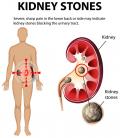
Different Types of Kidney Stones
Kidney stones can be classified into different types based on their mineral composition. Understanding each type aids in effective diagnosis and treatment. This section provides detailed insights into calcium-based, uric acid, struvite, and cystine stones.
Calcium-Based Stones
Calcium-based stones, particularly calcium oxalate and phosphate, are the most common. They develop when calcium combines with oxalate or phosphate in the urine. Various factors contribute to their formation, such as dehydration and high oxalate intake from foods like spinach. Calcium oxalate stones are known for their complex texture.
Regular monitoring of dietary oxalate and calcium levels is essential. Reducing sodium intake can also help prevent these stones. Calcium phosphate stones form in alkaline urine and are often associated with certain medical conditions, like kidney tubular acidosis. Treatment strategies include increasing water intake to dilute urine and dietary adjustments.
Uric Acid Stones
Uric acid stones arise from elevated levels of uric acid in the urine. They are more soluble in low pH environments, making acidic urine a risk factor. These stones primarily affect individuals with a high protein intake, particularly from animal sources. Conditions such as gout increase the risk of formation.
Uric acid stones represent 5-10% of all stones present in patients. They typically develop in people who don’t drink enough fluids or who have very acidic urine. Your risk for uric acid stones increases if you:
- Follow a high-protein diet
- Have high blood sugar
- Or possess certain genetic factors
Dietary modifications, including reducing purine-rich foods like red meat and shellfish, are essential in managing these stones. Alkalization of urine, through drugs or nutritional changes, can aid in dissolving existing stones or preventing new ones. Adequate hydration also helps maintain urine concentration at safer levels for individuals prone to uric acid stones.
Struvite Stones
Struvite stones, composed of magnesium ammonium phosphate, are associated with urinary tract infections. Bacteria that produce urease enzymes lead to alkaline urine, promoting stone formation. These stones grow rapidly and may fill large parts of the kidney.
Effective management involves treating the underlying infection with antibiotics. Surgical intervention might be necessary in some cases due to their large size. Regular follow-ups and monitoring for recurrent urinary tract infections can prevent reappearance. Understanding and eliminating infectious sources that contribute to stone growth is essential to their management.
Cystine Stones
Cystine stones form due to a rare inherited disorder called cystinuria, which causes cystine—an amino acid—to leak into urine. Unlike other stones, cystine stones form in acidic urine, are relatively hard, and recur frequently.
Managing cystine stones involves increasing fluid intake to ensure cystine dilution in the urine. Medications that prevent cystine crystallization might be prescribed for severe cases. Alkalizing the urine via dietary or medicinal means can also help reduce the risk of stone formation.
Regular medical assessments are crucial for individuals with cystinuria due to the chronic nature of this condition.
Types of Kidney Stones Chart
| Type of Kidney Stone | Composition | Common Causes | Symptoms |
| Calcium Oxalate | Calcium oxalate | High calcium levels, dehydration, diet high in oxalate | Severe pain, hematuria (blood in urine) |
| Calcium Phosphate | Calcium phosphate | Metabolic disorders, certain medications | Similar to calcium oxalate stones |
| Uric Acid | Uric acid | Gout, high protein diets, dehydration | Painful urination, lower back pain |
| Struvite | Magnesium ammonium phosphate | Urinary tract infections | Often asymptomatic, but can cause pain |
| Cystine | Cystine | Genetic disorder (cystinuria) | Pain, hematuria, frequent urinary infections |
Kidney Stone Test
Testing for kidney stones involves various diagnostic procedures to identify the type and severity of the stones accurately. Healthcare professionals use these tests to tailor treatment plans effectively.
Types of Kidney Stone Tests
Imaging Tests:
- CT Scan: High-speed or dual-energy computerized tomography (CT) scans can reveal even tiny stones in the urinary tract.
- Ultrasound: Often used as a first-line imaging test to detect kidney stones, especially in pregnant women and children.
- X-rays: Less commonly used today, but can sometimes locate larger stones.
Urinalysis:
This test involves examining a urine sample to detect crystals, blood, or signs of infection. It helps in understanding the chemical composition of stones and identifying potential risk factors.
Blood Tests:
Blood tests can measure the levels of certain substances that may contribute to stone formation, such as calcium or uric acid.
Kidney Stone Analysis:
Once a stone is passed or surgically removed, it can be analyzed in a lab to determine its chemical composition. This information helps us understand why the stone formed and develop a prevention plan.
Importance of Kidney Stone Testing
- Kidney stone testing is essential for:
- Accurate diagnosis and treatment.
- Preventing future stone formation by identifying underlying metabolic or dietary issues.
- Tailoring dietary and lifestyle recommendations to reduce the risk of recurrence.
Diagnosing Different Types of Kidney Stones
Imaging and laboratory tests are key in determining the presence and type of kidney stones. Imaging tests, such as a CT scan or abdominal X-ray, provide detailed images of the urinary tract, helping identify even tiny stones. Ultrasound is another non-invasive option that uses sound waves to detect stones.
Laboratory urine tests analyze the urine for blood, stone-forming crystals, and infection indicators. Blood tests measure substances that could contribute to stone formation. Sometimes, analyzing a passed stone can reveal its composition, aiding prevention strategies. Each test offers distinct insights, contributing to a comprehensive diagnosis.
UTIs and Kidney Stones
Urinary tract infections (UTIs) and kidney stones can be interrelated, where the presence of one can lead to the other. UTIs may promote certain types of stone formation, with struvite stones being a primary example.
Struvite Kidney Stones and UTIs
Struvite stones are a specific type of kidney stone associated with chronic urinary tract infections. These stones form due to a combination of magnesium, ammonium, and phosphate, and they often develop in response to bacteria that produce urease.
This enzyme raises the urine’s pH, making conditions favorable for stone formation. If not treated, struvite stones can grow rapidly, potentially leading to kidney damage or more frequent infections. They are more common in women due to higher rates of UTIs.
Addressing the underlying infection is crucial in preventing and treating struvite stones. Treatment often involves antibiotics to target the infection; in many cases, medical procedures may be required to remove the rocks.
Early diagnosis and management can help prevent complications and improve outcomes. Regular monitoring and proper hydration are vital to reduce the risk of recurrence.
How to Prevent Kidney Stones
Preventing kidney stones involves a combination of dietary modifications, lifestyle changes, and sometimes medication. Kidney stones are hard deposits of minerals and salts that form in the kidneys and can cause severe pain and complications if not managed properly. Here are several effective strategies to reduce the risk of developing kidney stones:
Hydration:
- Drink Plenty of Water: Staying well-hydrated is one of the most effective ways to prevent kidney stones. Drinking enough fluids dilutes substances in the urine that lead to stone formation. Aim to drink enough water to produce at least 2 liters of urine daily.
Dietary Adjustments:
- Limit Sodium Intake: High sodium levels can increase calcium in the urine, leading to stone formation. Reducing salt intake can help lower this risk.
- Eat Calcium-Rich Foods: Contrary to popular belief, consuming calcium-rich foods can help prevent stones, especially when paired with foods high in oxalates. This helps to bind oxalates in the gut and prevent them from reaching the kidneys.
- Reduce Oxalate-Rich Foods: Foods such as spinach, nuts, and chocolate are high in oxalates, which can contribute to stone formation. Moderating intake of these foods can be beneficial.
- Limit Animal Protein: High animal protein intake can increase the risk of kidney stones by raising uric acid levels and reducing citrate in the urine, a chemical that helps prevent stones.
Lifestyle Changes:
- Maintain a Healthy Weight: Obesity is linked to an increased risk of kidney stones. Maintaining a healthy weight through diet and exercise can reduce this risk.
- Avoid Excessive Vitamin C Supplements: High doses of vitamin C can increase oxalate levels in the urine, potentially leading to stone formation.
Medications:
- Medications to Prevent Kidney Stones: For individuals with a history of recurrent kidney stones, doctors may prescribe medications to help prevent stones, such as thiazide diuretics, potassium citrate, or allopurinol, depending on the type of stones.
Regular check-ups with your urologist will help ensure that your lifestyle, diet, and medication management are optimal to prevent kidney stones.
Can Apple Cider Vinegar Treat Kidney Stones?
Apple Cider vinegar can help dissolve stones if you drink it, diluting in room-temperature water for faster absorption. Studies have found that it prevents the formation of kidney stones, which have also been found in beans and green tea. It may sound like a myth, but the home remedy of apple cider vinegar can react with some of the minerals that make up the kidney stone, which could potentially break it apart.
That being said, relying on apple cider vinegar to break apart larger kidney stones without medical help can lead to a UTI from blocking the flow of urine and could prolong the length of the painful process. Vinegar shouldn’t be used as a substitute for quality medical care.
Frequently Asked Questions
What are some practical ways to pass a kidney stone quickly?
You can pass kidney stones more quickly by drinking plenty of water and fluids to help flush out the stones. Taking pain medication such as ibuprofen or acetaminophen can help manage the pain. In some cases, medicines called alpha-blockers can help relax the muscles in the ureter, making it easier for the stone to pass.
Moving around gently can help keep the blood flowing in your system and minimize inflammation.
What are some natural remedies for kidney stones?
Some natural remedies that may help pass a kidney stone include drinking plenty of water and fluids, drinking diluted apple cider vinegar, consuming foods high in citric acid, such as lemons and oranges, and taking herbal supplements such as nettle leaf. These home remedies shouldn’t be used in place of medical care. Instead, they are best utilized as a supporting agent.
How can I relieve the pain of passing a kidney stone?
There are several ways to relieve the pain of passing a kidney stone. Over-the-counter pain medications such as ibuprofen or acetaminophen can help manage the pain. Applying heat to the affected area or a warm bath can also help alleviate discomfort. In some cases, prescription pain medications may be necessary.
What are some common symptoms of passing a kidney stone?
Common symptoms of passing a kidney stone include sharp pain in the back, side, or lower abdomen, pain during urination, frequent urination, nausea and vomiting, and blood in the urine. If you experience any of these symptoms, it is essential to seek medical attention.
What is the best position to be in when passing a kidney stone?
The best position to be in when passing a kidney stone may vary depending on the individual. Some people find that sitting in a warm bath or using a heating pad can help alleviate discomfort. Others may find relief by lying on their side with their knees bent. It is essential to find a comfortable position that helps manage pain.
Can lemon juice help dissolve kidney stones?
Some evidence suggests that consuming lemon juice or other citrus fruits high in citric acid may help prevent the formation of kidney stones and even dissolve small rocks. However, it is essential to consult a healthcare provider before trying natural remedies, as some may interact with medications or have adverse side effects.
Sometimes, our male patients who are already undergoing a medical procedure like surgery for spermatocele,varicocele, or hydrocele choose also to try a cosmetic procedure such as Scrotal Botox to smooth out the wrinkles of the scrotum, scrotoplasty to address low-hanging testicles or penile injections to enhance girth. Schedule your appointment today to explore the options.
What are the different types of kidney stones?
Kidney stones are commonly classified into several types: calcium oxalate, calcium phosphate, uric acid, and struvite stones. Calcium oxalate stones are the most common, while uric acid stones can occur due to high purine levels.
How can one prevent the formation of kidney stones?
Preventive measures include staying well-hydrated, reducing salt and protein intake, and maintaining a balanced diet. Drinking enough fluids helps dilute the substances in urine that lead to stones. Dietary choices play a crucial role in prevention.
Which symptoms indicate the presence of a kidney stone?
Symptoms include intense pain in the back or side, blood in urine, nausea, vomiting, and frequent urination. The discomfort often occurs suddenly and can be severe, warranting immediate medical attention.
What dietary factors contribute to the development of kidney stones?
High intake of oxalate-rich foods (such as spinach), excessive sodium, and high protein diets can contribute to stone formation. Consuming enough calcium in the diet is essential, but supplements should be taken cautiously.
What is the most effective method for kidney stone removal?
Removing kidney stones can involve various approaches depending on the stone’s size and type. Small stones may pass with plenty of fluids, while larger stones may require medical procedures such as lithotripsy or surgery.
How do the various types of kidney stones affect treatment options?
Treatment varies with the stone type. Calcium stones may require dietary changes and medication, while uric acid stones might be treated with potassium citrate to dissolve them. Struvite stones often need more aggressive treatments, possibly including surgery.